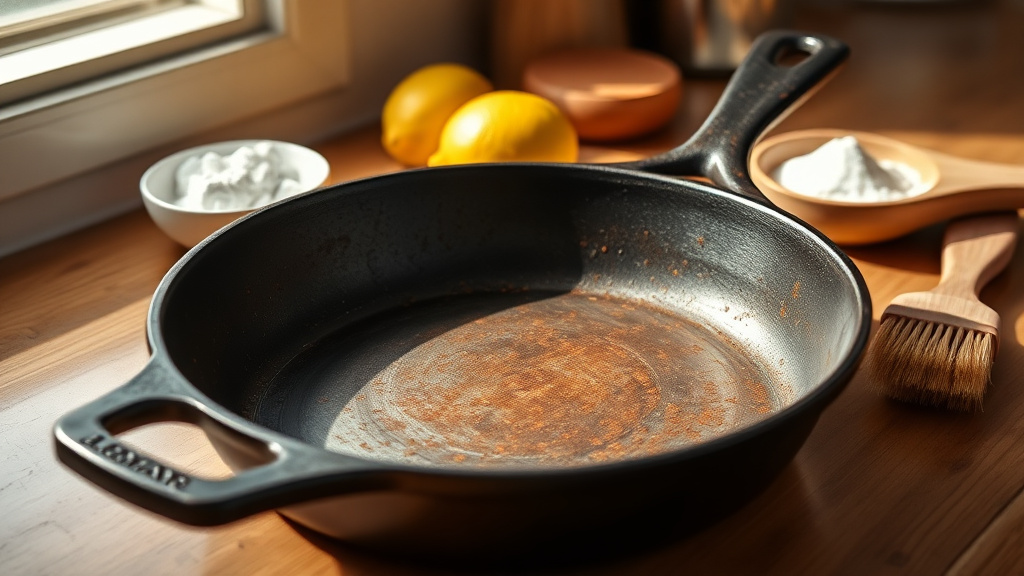
Imagine pulling out your favorite skillet only to find it speckled with unsightly rust. It can feel like a kitchen nightmare. Yet, the secret to revitalizing rusty cookware is simpler than you might think. This guide on how to remove rust from cookware is designed with beginners in mind, offering step-by-step instructions that even the most novice home cook can follow. Maintaining your cookware not only ensures its longevity but also safeguards your health, keeping your culinary creations both delicious and safe. The journey towards rust-free cookware is not a daunting one. With the right approach, care, and a bit of elbow grease, you can restore your cookware to its former glory. So, are you ready to learn the secrets to banishing rust and keeping your kitchen essentials in top-notch condition? Dive in and discover how easy it is to give your trusted pots and pans a new lease on life. Let’s embark on this rust-removal adventure together, starting today!
Understanding Rust on Cookware
Rust on cookware is a common issue that many people face, yet it often remains misunderstood. Rust, or iron oxide, forms when metal reacts with oxygen and moisture. This reaction can occur from something as simple as leaving a damp pan in the sink. Rust can mar the appearance of your cookware, but it can also have more profound effects on your cooking experience and health.
Cookware made from cast iron, carbon steel, or even some types of stainless steel is particularly prone to rust. These materials, while excellent for cooking, can develop rust if not cared for properly. A rusty pan not only looks unappetizing but can also affect the taste and quality of your food. Rust can cause uneven heating, leading to inconsistent cooking results. Moreover, ingesting rust in small quantities is generally not harmful, but it is not advisable to repeatedly use rusty cookware.
Understanding the causes of rust is the first step in learning how to remove rust from cookware effectively. Once rust forms, it begins to eat away at the metal, potentially weakening the structure of your cookware over time. Thus, addressing rust promptly is crucial. The good news is that rust does not spell the end for your pots and pans. With the right knowledge and techniques, you can restore cookware to its former glory, ensuring that your kitchen continues to flourish with vibrant, rust-free tools.
Essential Tools and Materials for Rust Removal
Embarking on the journey of rust removal from cookware requires the right arsenal of tools and materials. Think of these as your trusty companions in the quest to restore your pots and pans. Understanding what you need can make the process smoother and more effective. Here’s a breakdown of the essentials that will help guide you through how to remove rust from cookware.

Tools for Rust Removal
- Steel Wool or Scouring Pads: These are your frontline soldiers. They allow you to scrub away rust with vigor. Opt for a medium to coarse grade for stubborn rust.
- Wire Brush: Ideal for larger surfaces, a wire brush helps tackle rust in crevices. It’s particularly useful for cast iron cookware with textured surfaces.
- Sandpaper: This tool is great for smoothing out rough spots after initial rust removal. Use fine-grit sandpaper to finish the job with a smooth touch.
Safe Cleaning Agents
- White Vinegar: Known for its acidic properties, vinegar helps dissolve rust. Soaking cookware in vinegar can make rust removal much easier.
- Baking Soda: When mixed with water to create a paste, baking soda acts as a gentle abrasive. It’s an excellent follow-up after vinegar treatment.
- Lemon Juice and Salt: This natural combination offers a powerful rust-busting solution. The acidity of lemon juice combined with salt’s abrasiveness works wonders on light rust.
Preparing Your Workspace
Before diving into rust removal, setting up a proper workspace is crucial. Use an old towel or drop cloth to protect surfaces from scratches and spills. Ensure good ventilation if working indoors, especially when using vinegar. Gather all your tools and materials in one place to keep the process efficient.
By equipping yourself with these essential tools and materials, you’ll be well-prepared to tackle any rust situation. The right preparation not only simplifies the task but also ensures that your cookware is treated with care, extending its lifespan and keeping it ready for action in your culinary adventures.
Step-by-Step Guide to Remove Rust from Cookware
Removing rust from cookware can be a straightforward process, especially when approached systematically. This guide breaks down the task into manageable steps, ensuring that even beginners can handle it with ease. Think of each step as a rung on the ladder leading to a kitchen filled with gleaming, rust-free cookware.
Initial Cleaning and Assessment of Rust
Before diving into rust removal, start with a simple cleaning. Use warm water and dish soap to remove any grease or grime. This makes it easier to see the extent of the rust. Once clean, inspect the cookware closely. Determine whether the rust is surface-level or more embedded. This assessment helps decide which tools and methods will be most effective.
Applying Cleaning Agents and Scrubbing Techniques
Choose your cleaning agent based on the severity of the rust. For light rust, a paste made of baking soda and water may suffice. Apply the paste to the rusty area, then scrub using a scouring pad or steel wool. For more stubborn rust, soak the cookware in white vinegar for several hours. This allows the acidity to break down rust.
- Baking Soda Paste: Mix equal parts baking soda and water. Apply with a cloth.
- Vinegar Soak: Submerge cookware in vinegar. Let it sit for an hour or more.
- Scrubbing: Use circular motions to scrub the rust away. Apply firm pressure.
Rinsing and Drying the Cookware Thoroughly
Once the rust is removed, rinse the cookware under warm running water. This ensures no cleaning agents remain. Dry the cookware immediately with a clean towel to prevent new rust from forming. Leaving it to air dry is not recommended, as moisture can invite rust to return. A quick wipe with a soft, dry cloth ensures your cookware is ready for its next culinary adventure.
Preventing Future Rust on Cookware
Keeping cookware free of rust ensures both longevity and optimal cooking performance. Simple, consistent habits can make a significant difference. Here is a practical approach to prevent rust from forming on your cherished kitchen tools, maintaining their prime condition for years.

Proper Storage Tips to Prevent Rust
Storage plays a crucial role in rust prevention. After cleaning, make sure cookware is completely dry. Moisture is rust’s best friend. Stacking pans without adequate drying invites trouble. A quick towel dry can save a pan from a rusty fate. For long-term storage, consider placing a paper towel between stacked items. This absorbs any residual moisture and prevents metal-on-metal contact.
Seasoning and Maintaining Cookware Regularly
Seasoning isn’t just for cast iron. It’s a protective measure for any cookware prone to rust. Regularly applying a thin layer of oil can shield metal from moisture. After washing, warm the cookware on a stovetop to evaporate any residual water, then apply oil. This forms a protective barrier, repelling water and deterring rust.
Identifying Signs of Rust Early
Early detection is key. Regularly inspect cookware for any signs of rust. Small rust spots are easier to manage than widespread corrosion. Addressing these immediately with a quick scrub can prevent more extensive damage. Spotting rust early and acting promptly prevents it from escalating, ensuring cookware remains in top-notch shape.
Data Comparison: Rust Removal Methods
Different methods for removing rust from cookware each have their own strengths and weaknesses. Understanding these can help in choosing the most effective approach for your needs. This comparison examines various techniques, evaluating their effectiveness, time investment, and required materials. Whether you prefer natural solutions or more traditional methods, this guide will help you make an informed decision.
Comparison of Rust Removal Techniques
| Method | Effectiveness | Time Required | Materials Needed | Ease of Use |
|---|---|---|---|---|
| Vinegar Soak | High | Several hours to overnight | White vinegar, container for soaking | Moderate |
| Baking Soda Paste | Moderate | 30 minutes to 1 hour | Baking soda, water | Easy |
| Lemon Juice and Salt | Moderate | 1-2 hours | Lemon juice, salt | Easy |
| Commercial Rust Remover | High | 30 minutes to 1 hour | Rust remover product | Easy to Moderate |
| Wire Brush/Sandpaper | Varies | 15-30 minutes | Wire brush, sandpaper | Moderate |
Methods like the vinegar soak and commercial rust removers are highly effective on tough rust but require time and specific materials. On the other hand, solutions using baking soda or lemon juice are more gentle, ideal for lighter rust cases, and are easier to apply with household items. Manual methods using a wire brush or sandpaper offer flexibility but require some physical effort and skill to avoid damaging the cookware. By considering these factors, one can select the most suitable rust removal method to maintain their cookware efficiently.
Natural and Homemade Rust Removal Solutions
When considering how to remove rust from cookware, many people turn to natural and homemade solutions. These methods often use ingredients found in most kitchens, making them an accessible choice. They are not only cost-effective but also environmentally friendly. Although these solutions may require a bit more patience and elbow grease, the results can be both satisfying and effective.
Using Vinegar and Baking Soda
Vinegar and baking soda are a dynamic duo against rust. The acidic nature of vinegar helps break down rust, while baking soda acts as a gentle abrasive. To use this method, soak the rusty cookware in vinegar for a few hours. Once the rust begins to dissolve, create a paste with baking soda and water. Apply this paste, then scrub the surface with a scouring pad.
Lemon Juice and Salt
Lemon juice and salt provide another natural rust removal option. The acidity of lemon juice targets rust effectively. Sprinkle salt over the rusty area, then squeeze lemon juice on top. Let this mixture sit for a few hours. Afterward, scrub the rust away with a soft cloth. This method is especially suitable for lighter rust stains.
Limitations of Homemade Solutions
While these natural remedies are effective for mild rust, they can be less efficient on severe rust cases. Heavier rust might require commercial rust removers or more aggressive methods, such as using a wire brush. Despite this limitation, homemade solutions remain a popular choice for those who prefer a gentler approach to maintaining their cookware.
Frequently Asked Questions
What is the best method to remove rust from cookware?
Scrubbing with baking soda and water paste is effective. It gently removes rust without scratching the cookware, maintaining its integrity.
Can vinegar remove rust from cast iron pans?
Yes, soaking cast iron in a vinegar-water solution helps remove rust. Limit soak time to avoid damaging the pan’s surface.
Is it safe to use rusted cookware?
Using rusted cookware is not recommended. Rust can flake and contaminate food. Removing rust restores safety and prevents further corrosion.
How can I prevent rust on my pots and pans?
To prevent rust, dry cookware thoroughly after washing and apply a thin layer of oil to protect the surface from moisture.
Can I use lemon to clean rust off stainless steel cookware?
Yes, lemon’s acidity can help dissolve rust on stainless steel. Rub a cut lemon over the rusted area, let it sit, then scrub gently.
Conclusion
Mastering the art of how to remove rust from cookware is more than just a kitchen chore; it’s a way to breathe new life into your trusted culinary tools. Equipped with practical tips and a variety of methods, anyone can tackle rust and maintain their cookware’s luster. Regular maintenance, paired with the knowledge of effective rust removal techniques, ensures your kitchen remains a place of joy and creativity.
Think of rust removal as a ritual of care, much like tending to a garden. Just as plants thrive with attention, your cookware will serve you well when treated with respect and diligence. From using natural solutions like vinegar and baking soda to employing more robust methods when necessary, the choice of technique can be tailored to your specific needs and cookware condition.
The benefits of maintaining rust-free cookware extend beyond aesthetics. Safe, clean cookware contributes to better cooking performance and health, making every meal a more enjoyable experience. By following these guidelines, you are not only preserving your cookware but also cultivating a habit of care that can be passed down through generations of home cooks.
So, as you continue your culinary adventures, remember that keeping your cookware in top shape is a straightforward, rewarding endeavor. Share these insights with others, and transform the way you interact with your kitchen tools. Embrace the satisfaction that comes from a job well done, knowing that your efforts today will lead to countless delicious dishes in the future.