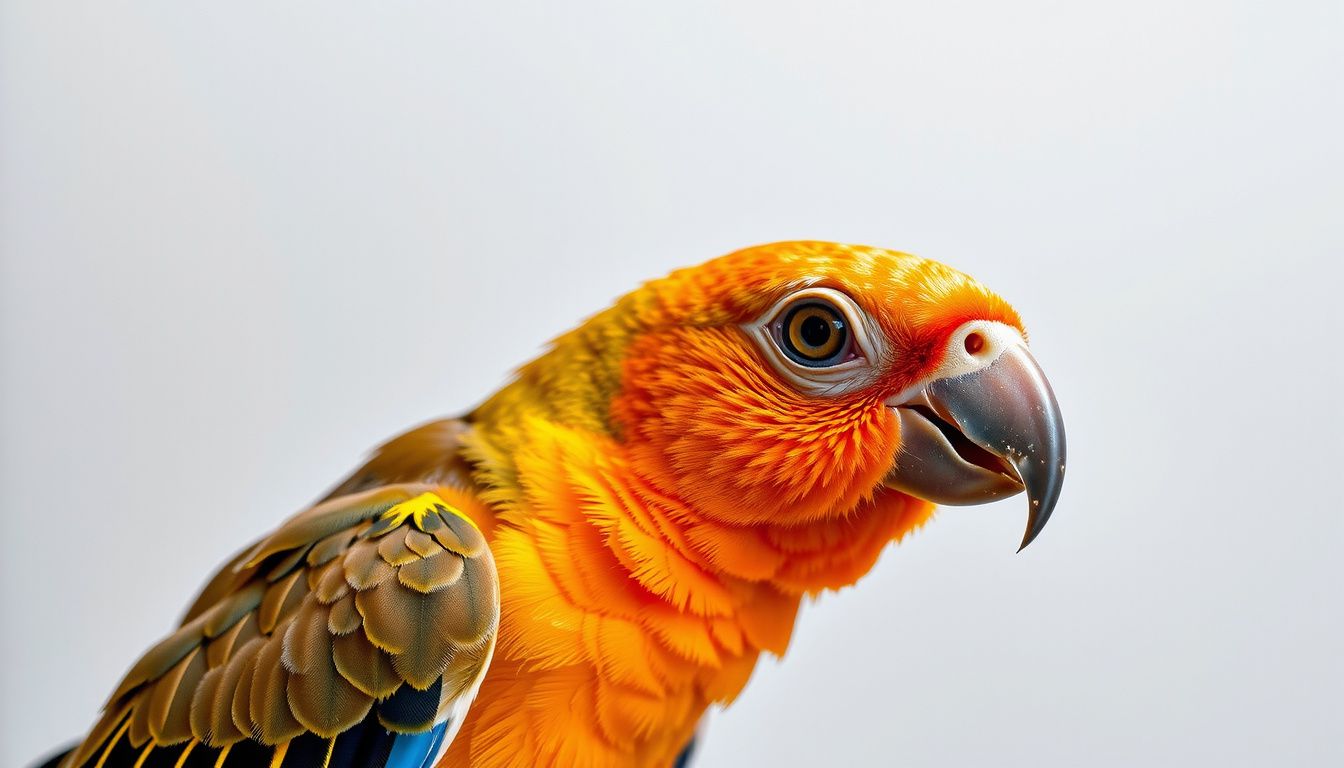
Many new bird owners assume that how to care a bird is as simple as filling a cage with seed and water, then letting their feathered friend adapt. That’s a recipe for stress, illness, and a very unhappy pet. Birds—no matter their species—require far more thoughtful care than most people realize.
Let me tell you, I once overlooked the importance of proper cage placement for my cockatiel, thinking any quiet corner would do. Within days, he grew withdrawn and barely chirped. After moving his cage near daily activity but away from drafts, his personality bounced back and he started singing again.
What a wake-up call.
Real bird care means understanding their dietary, environmental, and social needs. You’ll need to:
- Choose the right habitat size and location
- Offer a balanced, species-appropriate diet
- Provide mental stimulation and daily interaction
- Maintain strict cleanliness to prevent disease
I’ll walk you through practical steps, common mistakes, and the real-world tactics I use to keep my own birds healthy and content. Let’s get started the right way—your bird deserves it.
Gather Essential Supplies Before Bringing My Bird Home
Before I even think about picking up my new bird, I make sure I’ve assembled all the essential supplies. This preparation is non-negotiable for setting up a successful, stress-free transition. The right gear doesn’t just make my life easier—it’s crucial for my bird’s health and happiness from day one.
Here’s my core checklist:
- Cage: Size matters. I select a cage that’s at least twice as wide as my bird’s wingspan and tall enough for climbing. Horizontal bars are a must for birds that love to climb, like parakeets and cockatiels.
- Dishes: I use separate, easy-to-clean bowls for food, water, and treats.
Stainless steel or ceramic is best to avoid bacteria buildup.
- Perches: At least two types—natural wood and rope. This keeps my bird’s feet healthy and prevents pressure sores.
- Toys: I rotate several toys for mental stimulation: chewable wood blocks, foraging puzzles, and mirrors for certain species.
- Lining: Newspaper or paper towels for the cage floor—never wood shavings, which can harbor mold or toxins.
- Cleaning Supplies: Mild, bird-safe disinfectant, paper towels, and a scrub brush keep my bird’s cage spotless.
- Transport Carrier: A safe, appropriately sized carrier for vet visits or emergencies.
A practical example: When I brought home my first cockatiel, I underestimated the importance of a proper carrier. The cardboard box from the pet store barely lasted the drive. Now, I always invest in a sturdy, ventilated carrier before bringing a bird home—it’s saved me stress and prevented escape on several occasions.
Pro Tip: I always have the bird’s food and treats ready before arrival. Switching diets suddenly can cause digestive issues or stress. I ask the breeder or rescue which food my new bird is used to, then keep that on hand for at least the first week.
Common Mistake: Buying a cage that’s too small or filled with plastic perches. Birds need space and variety for their physical and mental well-being.
Create a Safe and Comfortable Bird Environment
Once I have all the essentials, my next priority is crafting a safe, inviting space for my bird. This environment shapes their first impressions and influences trust, behavior, and health.
Location matters: I place the cage in a draft-free spot, away from direct sunlight and kitchen fumes. Birds are sensitive to temperature extremes and airborne toxins. I avoid high-traffic zones, but keep the cage near family activity so my bird feels included—not isolated.
Temperature and humidity: I monitor the room’s climate, aiming for 65–80°F (18–27°C) and moderate humidity. Sudden chills or heat spikes can cause stress or illness. If necessary, I use a small humidifier or move the cage away from windows during extreme weather.
Lighting and sleep:
- Natural light: Birds thrive on regular day/night cycles. I position the cage near a window, ensuring filtered sunlight but never direct, scorching rays.
- Sleep: Birds need 10–12 hours of darkness each night. I cover the cage with a breathable fabric at dusk to mimic natural sleep patterns and block out disruptive light.
Enrichment: I install multiple perches at varying heights and textures, plus swings and ladders to encourage exercise. Toys are rotated weekly to prevent boredom.

A real-world example: My friend once placed her parrot’s cage near an open kitchen. The bird developed respiratory issues from nonstick pan fumes—an easy mistake that taught me to always avoid kitchens and aerosolized products in bird spaces.
Safety checks:
- All wires, cords, and toxic plants are out of reach.
- Windows and doors stay closed or screened when my bird is out.
- I double-check for gaps in the cage bars that could trap toes or heads.
Pro Tip: I place a small mirror near the cage for solo birds, but never as a replacement for real interaction. Over-reliance can cause obsessive behavior.
Common Mistake: Overcrowding the cage. Too many toys or perches can make movement difficult. I always leave ample space for flight and climbing.
Establish a Nutritious Feeding Routine for My Bird
Once my bird is settled, my top priority shifts to nutrition. Birds need more than a bowl of seeds—balanced meals are critical for long-term health. I always start by researching the specific dietary needs of my bird’s species.
Parrots, finches, canaries—each has unique requirements. Ignoring these differences can lead to malnutrition or even illness.
My bird’s main diet consists of high-quality pellets. These are formulated to provide essential vitamins and minerals. I read ingredient labels carefully, avoiding any with excessive fillers, artificial colors, or sugar.
Seed mixes, while popular, are more of a treat than a staple for most species.
Fresh produce is a must. Every morning, I offer a mix of chopped veggies, such as carrots, bell peppers, and leafy greens like kale or romaine. I rotate these to keep things interesting and to ensure a broad nutrient spectrum.
Fruits should be used sparingly—too much sugar isn’t healthy, so I offer small slices of apple or berries just a couple times a week.
Here’s the feeding routine I follow:
- Pellets: Available at all times, making up 60-80% of the diet
- Fresh vegetables: Served daily, replaced if uneaten after a few hours
- Seeds and nuts: Used sparingly as training rewards or occasional enrichment
- Clean water: Changed twice a day to prevent bacteria buildup
I also keep a calcium source (like a cuttlebone) in the cage for bone health. I never feed avocado, chocolate, caffeine, or salty snacks—these are toxic to birds.
Let me share a real-world example: My cockatiel, Max, developed brighter plumage and more energy after I swapped out his mostly-seed diet for one based on pellets and fresh veggies. The improvement was obvious after just a few weeks.
Pro tip: Sudden diet changes can stress birds. I always transition new foods gradually, mixing them with familiar items over several days.
Practice Daily Care and Gentle Handling Techniques
Feeding alone isn’t enough—I devote time every day to caring for my bird’s physical and emotional needs. Cleanliness, social interaction, and gentle handling are essential for a happy, healthy companion.
First, I stick to a daily cleaning routine. I remove old food, wipe down perches, and change cage liners each morning. Once a week, I do a deeper clean, scrubbing the bars, washing toys, and disinfecting food dishes.

This keeps odors down and helps prevent infections like bacterial or fungal diseases.
Next, I focus on gentle interaction. Birds are intelligent, social creatures; neglecting this side leads to boredom or behavioral issues. I sit by the cage and talk to my bird in a calm voice.
Once trust builds, I offer my hand slowly, letting the bird approach at its own pace. Never force physical contact—patience is key.
When my bird is ready, I practice safe handling:
- Wash my hands before and after handling to prevent disease transmission
- Move slowly and avoid sudden gestures
- Support my bird’s feet (never grab from above or squeeze)
- Keep sessions short at first, gradually increasing time as trust grows
Daily out-of-cage time is vital for exercise and stimulation. I bird-proof the room—covering mirrors, closing windows, and removing toxic plants—before allowing supervised exploration.
Here’s a real-world example: My friend’s budgie, Luna, was initially terrified of hands. By spending just five minutes each day sitting quietly near the cage and offering millet from her palm, Luna eventually hopped on willingly. The transformation took patience, but the bond was worth it.
Common mistake: Skipping daily interaction or rushing handling sessions often backfires, leading to fear or biting. I always take cues from my bird’s body language and respect boundaries.
By combining daily cleaning, gentle socialization, and gradual handling, I set the stage for a trusting relationship and a thriving pet bird.
Monitor My Bird’s Health and Address Common Issues
I get it—birds are masters at masking illness. That’s why, as soon as I bring a bird home, I commit to daily checks. Subtle changes can mean big trouble if I miss them.
Here’s how I keep tabs on my bird’s health without turning into a helicopter pet parent.
First, I watch for baseline behaviors and physical cues. A healthy bird is curious, perches comfortably, preens, and vocalizes. If my bird suddenly sits fluffed up, avoids food, or acts lethargic, I take notice immediately.
- Check droppings daily: Normal droppings have a dark, solid part (feces), a white part (urates), and a small amount of clear liquid (urine). Sudden changes—like watery consistency or odd colors—can point to diet issues or illness.
- Inspect feathers and skin: Dull, ruffled feathers, bald patches, or flaky skin are red flags. I gently part the feathers to look for redness, sores, or mites.
- Monitor weight: Birds can lose weight quickly. I invested in a small gram scale so I can weigh my bird weekly. Consistent weight loss means it’s time to call the vet.
If I do spot an issue, I act fast but systematically:
- Remove stressors: I check for drafts, loud noises, or recent changes to the environment—these can cause behavioral blips or minor health dips.
- Adjust diet and hydration: Sometimes, a small tweak—like offering fresh veggies or a little extra water—brings things back to normal. Expected outcome: Bird returns to usual appetite and energy within 1-2 days.
- Seek veterinary help: If symptoms persist over 24-48 hours, I don’t wait. I contact an avian vet, since birds can deteriorate fast if left untreated. Expected outcome: Early intervention drastically improves recovery odds.
Here’s a real-world example: My cockatiel, Rio, once started sitting on the cage floor and ignoring her favorite treat. I noticed her droppings looked watery and, after ruling out drafty windows and trying extra greens with no improvement, I messaged my vet. Turns out she had a mild infection—caught early, she was back to herself in three days with the right meds.
Pro tip: I keep a simple health log: date, weight, any odd symptoms. This makes patterns obvious and speeds up vet visits. Missing these signs is the most common mistake new owners make when learning how to care a bird, and it can cost a bird’s life.
Your Action Plan
Now that you’ve got the essentials down, caring for your bird comes down to consistency and attentiveness. Every bird is unique, so I always remind myself to adapt my approach based on what works best for my feathered companion.
Here’s an example: When I first brought home my cockatiel, he was shy and barely ate. By patiently sticking to a gentle daily routine and offering a variety of foods, he became more confident and started eating heartily within a week.
Your next step? Commit to a daily care schedule that fits your lifestyle and your bird’s needs. Keep a simple checklist handy:
- Observe your bird’s mood and appetite
- Refresh food and water daily
- Offer social interaction and playtime
- Clean the cage and monitor for health issues
Stick with it, and you’ll build trust and a strong bond—making “how to care a bird” second nature in your home.
Related read: Best Cat Foods: Healthy Meals for Happy Cats